
Some of the most severe water damage projects begin with a small plumbing leak that goes unnoticed. We are currently restoring a home in the Phoenix metro area where the property had been vacant for several weeks. During that time, a pipe beneath the kitchen sink developed a leak, allowing water to flow continuously throughout the home.
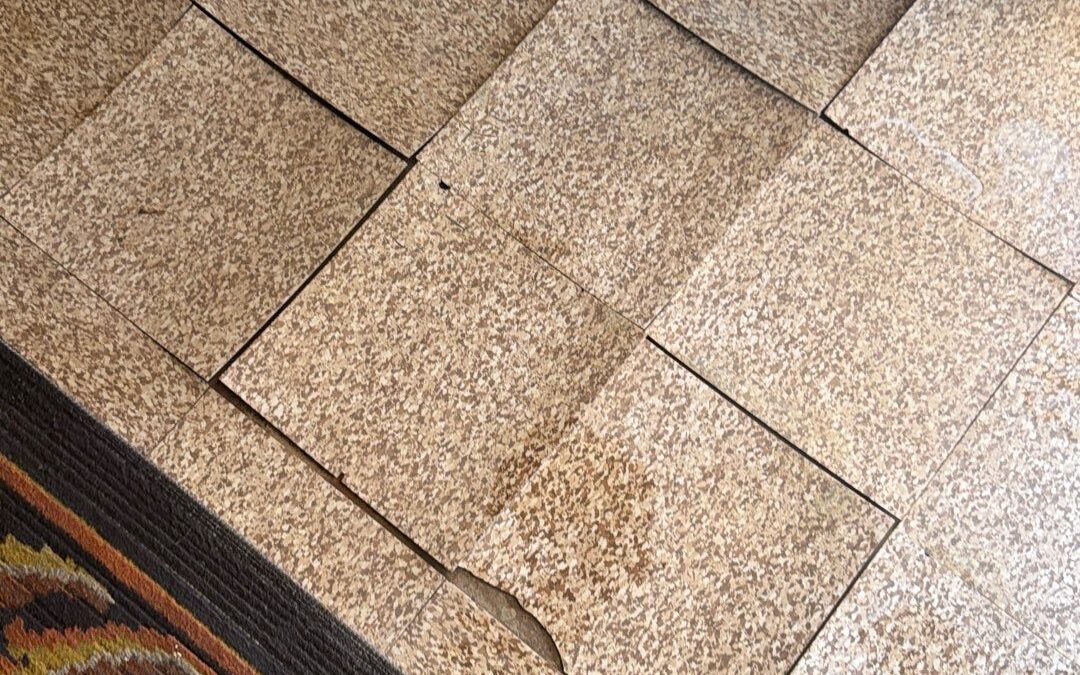
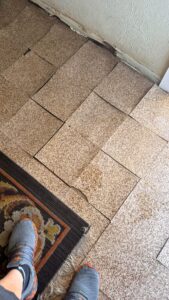
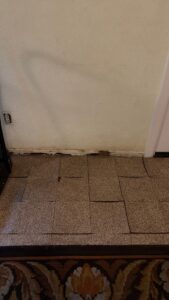
When the homeowner returned, the damage was extensive. Water had spread across multiple rooms, saturated drywall, soaked cabinets, damaged baseboards, and wicked approximately three feet up the walls. The home’s laminate flooring had also failed throughout the property, with planks peeling, swelling, buckling, and separating as moisture became trapped beneath the flooring. Because the leak continued for an extended period, microbial growth was also present on furniture, drywall, baseboards, cabinets, and other building materials.
Hidden Plumbing Leaks Can Cause Major Structural Damage
Unlike a burst pipe that is discovered immediately, a slow plumbing leak can continue for weeks without anyone realizing it—especially in an unoccupied home. Even a small leak under a kitchen sink can release hundreds or thousands of gallons of water over time.
In this Phoenix home, water migrated beneath the laminate flooring, through adjoining rooms, and into the wall cavities. Moisture wicked approximately three feet up the drywall, damaging insulation, baseboards, and framing. By the time our technicians arrived, the home required extensive water damage mitigation and structural drying.
According to the Insurance Information Institute, plumbing failures and appliance leaks remain one of the leading causes of residential water damage claims.
Why Laminate Flooring Often Cannot Be Saved
One of the most significant losses in this project was the laminate flooring. Unlike some hard surface flooring, laminate is extremely vulnerable to prolonged moisture exposure. As water penetrates the seams, the fiberboard core expands, causing the planks to swell, curl, separate, and permanently lose their structural integrity.
Throughout this home, the laminate flooring had begun peeling up across multiple rooms, making replacement necessary. Unfortunately, once laminate flooring has swollen or delaminated, it generally cannot be restored through drying alone.
Microbial Growth Requires Professional Remediation
Because the home remained wet for several weeks, microbial growth had developed on furniture, drywall, cabinets, trim, and baseboards. Moisture trapped inside walls and beneath flooring creates ideal conditions for microbial contamination if left untreated.
Our technicians established containment, removed unsalvageable materials, and installed commercial air movers, dehumidifiers, and HEPA air scrubbers to begin the structural drying process. Moisture readings are monitored daily to ensure the property dries according to industry standards.
The U.S. Environmental Protection Agency (EPA) recommends drying wet building materials as quickly as possible to minimize microbial growth and additional property damage.
Professional Water Damage Restoration in Phoenix
Large water losses require more than simply removing standing water. Hidden moisture behind walls, beneath flooring, and inside structural materials must be located using professional moisture detection equipment before reconstruction can begin.
At Phoenix Water Damage Services, we utilize thermal imaging cameras, pinless moisture meters, commercial dehumidifiers, air movers, and HEPA air scrubbers to restore homes affected by water damage throughout the Phoenix metropolitan area. Every project follows IICRC industry standards for water damage mitigation and structural drying.
If your home has experienced a plumbing leak, appliance failure, or hidden water damage, don’t wait for the problem to become worse. Contact Phoenix Water Damage Services today at 602-688-4186 for professional water damage restoration in Phoenix, AZ. Early intervention can dramatically reduce damage, lower restoration costs, and help protect your home’s structure.